Source Waterproof Non Slip Eva Chef Footwear for Kitchens, Gardens, and Workshops
Compare 17 listings of waterproof non slip eva chef footwear designed for kitchens, gardens, and workshops. Buyers can evaluate features like anti-slip design, material composition, and customization options to find suitable options for various work environments.
Key considerations
Products List


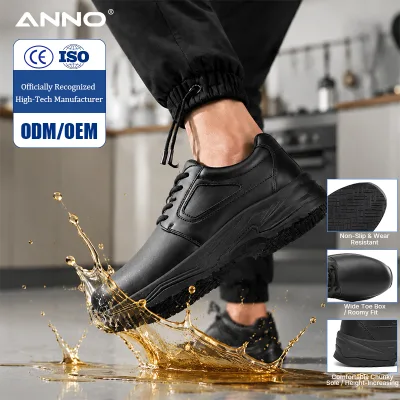
Comprehensive Sourcing Guide
Strategic Sourcing Guide for Waterproof Non-Slip EVA Chef Footwear
Procuring specialized footwear for high-risk culinary environments requires a rigorous understanding of material science, supply chain dynamics, and specific performance metrics. The core keyword "waterproof non-slip EVA chef footwear" identifies a niche where safety, durability, and comfort intersect. Ethylene-vinyl acetate (EVA) has emerged as a dominant material in this sector due to its lightweight nature and inherent resistance to water and chemicals. However, not all EVA products are created equal, and the procurement process must navigate a complex landscape of specifications, from outsole geometry to internal lining materials. This guide provides a structured approach to evaluating suppliers and products that meet the stringent demands of professional kitchens, ensuring that the final selection aligns with operational safety standards and budgetary constraints.
Material Composition and Structural Integrity
The foundation of any reliable chef shoe lies in its material composition. In the observed market data, EVA is consistently cited as the primary upper material, offering a balance of flexibility and durability essential for long shifts. The presence of EVA insoles further enhances comfort by providing shock absorption, a critical feature for staff standing on hard surfaces for extended periods. However, buyers must distinguish between products that utilize EVA as a structural component versus those that use it merely as a filler. Some listings indicate a "Genuine Leather" lining paired with EVA components, suggesting a hybrid approach that may offer superior breathability while maintaining the waterproof benefits of the outer shell.
The outsole material is equally critical. While the upper is often EVA, the contact point with the floor requires a different material profile. Rubber is frequently observed as the outsole material in high-performance models, providing the necessary friction and wear resistance. The specific anti-skid design varies significantly across suppliers. Some products feature "Anti-slip Grooves," while others utilize "Anti-slip Blades" or generic "Anti-slip Patterns." These design elements are not interchangeable; grooves may channel liquids away, whereas blades might dig into wet surfaces for immediate traction. Procurement teams must verify that the specific anti-skid design matches the floor conditions of their facility, as a pattern optimized for dry kitchen tiles may fail on wet, oily surfaces common in professional kitchens.
Technical Specifications and Performance Attributes
When evaluating technical specifications, buyers should look for a comprehensive set of attributes that define the product's capability. The observed data highlights several key performance indicators, including waterproofing, breathability, and resilience. A product described as "Waterproof" and "Breathable" addresses the dual challenge of keeping feet dry from spills while allowing moisture vapor to escape, preventing maceration. Additionally, features such as "Anti-microbial" properties are increasingly relevant in food service environments to inhibit bacterial growth within the shoe.
Size and fit specifications are another area requiring careful attention. Standard sizing ranges observed include 35/36 to 45/46, catering to a broad demographic of unisex users. However, some products list specific standard codes like 230/240/250 up to 280, which likely refer to millimeter-based length measurements. Buyers must ensure that the supplier's sizing chart aligns with their workforce's requirements to avoid fit issues. Furthermore, the "Acid and Alkali Resistant" attribute is a critical differentiator. While some products are explicitly marked as resistant to chemical spills, others are noted as "Not Acid and Alkali Resistant." In a kitchen environment where cleaning agents are frequently used, selecting footwear that lacks this resistance could lead to premature degradation of the material.
Compliance, Certification, and Safety Standards
Navigating the compliance landscape for industrial footwear requires a clear distinction between verified standards and general market claims. While background knowledge often references certifications like BSCI, CE, ROHS, or standards such as ISO 20344:2011, these should not be assumed to apply to every product listed without explicit verification from the supplier. The provided data does not confirm that any specific listed product holds these certifications. Therefore, the procurement strategy must prioritize direct inquiry and documentation requests.
Buyers should request proof of compliance with relevant safety standards for their specific region. For instance, if operating in Europe, verification against ISO 20344:2011 for safety footwear testing is essential. In the absence of confirmed certification data, the focus should shift to the product's inherent design features, such as the "Injection" manufacturing method, which often ensures a seamless bond between the upper and sole, reducing the risk of delamination. The "Hand Made" attribute in some listings suggests a different production process, potentially affecting consistency. It is vital to clarify whether the "Injection" process is the primary manufacturing method for the specific model being sourced, as this impacts the uniformity of the anti-slip properties.
Cost Drivers and Procurement Economics
Understanding the cost structure of EVA chef footwear is essential for budget planning. The observed price range in the market spans from 2.3 to 21 USD, a significant variance that reflects differences in material quality, manufacturing complexity, and branding. Lower-priced items may utilize basic EVA compounds with minimal reinforcement, while higher-priced models might incorporate genuine leather linings, advanced anti-microbial treatments, or specialized outsole geometries.
Minimum Order Quantity (MOQ) is another critical economic factor. The data indicates an MOQ range of 100 to 2000 pairs. Smaller orders starting at 100 pairs allow for flexibility but may come with a higher unit cost. Larger orders at 2000 pairs typically secure better pricing but require significant capital outlay and storage capacity. Buyers must balance these factors against their inventory turnover rates. Additionally, lead times vary, with observed delivery windows ranging from 25 days to 50 days. The longer lead times, such as the 45-50 days observed for certain models, often correlate with more complex customization options or larger production runs. Procurement planners must account for these timelines to avoid stockouts during peak operational periods.
Supplier Evaluation and Customization Capabilities
Evaluating a supplier goes beyond product specifications to include their ability to adapt to specific buyer needs. The availability of "Customization" and acceptance of "OEM Orders" are strong indicators of a supplier's flexibility. This allows buyers to request specific branding, color variations, or even modifications to the anti-skid pattern to suit unique floor conditions. The observed product models, such as AF010, AF070, and STL-WS003, suggest a diverse portfolio, but buyers should verify if the supplier can produce custom variants of these models.
Packaging is another aspect of supplier evaluation. Options range from simple "OPP Bag" to more protective "Shoes Box" or "Cotton Bag" solutions. The choice of packaging affects the product's presentation and protection during transit. For high-end procurement, a "Shoes Box" may be required to maintain product integrity and brand image. Furthermore, the origin of the product, consistently noted as Fujian, China, provides insight into the supply chain logistics. While this region is a major hub for footwear manufacturing, buyers should verify the specific factory location to ensure transparency and assess potential logistics costs.
Quality Control and Long-Term Procurement Strategy
Implementing a robust quality control (QC) protocol is non-negotiable for safety-critical footwear. Given the variation in anti-skid designs and chemical resistance, buyers should establish clear acceptance criteria before production begins. This includes requesting samples for physical testing, such as slip resistance on wet surfaces and water immersion tests. The "Injection" manufacturing method should be inspected for uniformity, ensuring there are no voids or weak points in the bond between the sole and the upper.
Long-term procurement considerations involve building a relationship with a supplier who can maintain consistency over time. The observed lead times of 25 to 50 days suggest that production scheduling is a critical factor. Buyers should negotiate clear terms regarding delivery reliability and the ability to handle rush orders if necessary. Additionally, the "Season" attribute, listed as Spring, Summer, Autumn, and Winter, indicates that these products are designed for year-round use. However, buyers should verify if the specific model offers adequate insulation or breathability for extreme temperature variations in their specific climate.
Comparative Analysis of Product Attributes
To facilitate decision-making, the following table summarizes key attributes observed across different product listings, highlighting the variations buyers must navigate.
| Attribute | Observation A | Observation B | Observation C |
|---|---|---|---|
| Upper Material | EVA | EVA | Leather |
| Lining Material | Not Specified | Genuine Leather | Not Specified |
| Outsole Material | Rubber | Rubber | Not Specified |
| Anti-Skid Design | Anti-slip Grooves | Anti-slip Blades | Anti-slip Pattern |
| Chemical Resistance | Acid/Alkali Resistant | Not Acid/Alkali Resistant | Not Specified |
| MOQ | 100 Pairs | 100 Pairs | 2000 Pairs |
| Lead Time | 25 Days | 45-50 Days | Not Specified |
| Packing | OPP Bag | Shoes Box | Box |
| Model Code | JDS-S173 | AF010 | STL-WS003 |
This comparison underscores the importance of detailed specification checks. A product with "Anti-slip Blades" may be superior for oily floors compared to one with a generic "Pattern," while the "Acid and Alkali Resistant" attribute is a decisive factor for kitchens using harsh cleaning agents. By systematically evaluating these attributes against operational requirements, buyers can mitigate risk and ensure the selected footwear provides the necessary protection and comfort for their culinary teams.
Final Procurement Considerations
In conclusion, sourcing waterproof non-slip EVA chef footwear requires a methodical approach that balances technical performance with supply chain realities. The market offers a wide array of options, from basic EVA models to hybrid designs with leather linings and specialized outsoles. Buyers must prioritize verification of critical safety attributes, such as chemical resistance and anti-skid design, over generic marketing claims. By leveraging the observed data on MOQs, lead times, and material specifications, procurement teams can make informed decisions that align with their specific operational needs. Ultimately, the goal is to secure footwear that not only meets immediate safety standards but also supports the long-term health and productivity of the workforce in demanding kitchen environments.
FAQs
What materials are used for the upper and lining?
The upper material is typically EVA, while some models feature a genuine leather lining. This combination offers durability and comfort, though specific lining materials vary by product model and supplier.
Can these shoes be customized for my brand?
Yes, customization is available and OEM orders are accepted. Buyers can request specific branding or modifications, but lead times may extend to 45-50 days for complex custom requests.
How long does it take to receive the order?
Delivery times range from 25 days to 50 days depending on the model and customization level. Some standard models ship within 25 days, while others require up to 50 days for production.
What is the minimum order quantity for these shoes?
The minimum order quantity ranges from 100 to 2000 pairs based on the specific product. Smaller orders start at 100 pairs, while larger production runs may require higher quantities to secure pricing.
Are these shoes resistant to acids and alkalis?
Chemical resistance varies by model, with some being acid and alkali resistant and others not. Buyers must verify the specific product attributes, as some listings explicitly state they are not resistant to chemicals.
Where are these footwear products manufactured?
The products originate from Fujian, China, which is a major manufacturing hub for this type of footwear. All listed items share this origin, ensuring consistent supply chain logistics from this region.